Prioritizing indigenous-led development by scaling up sustainable community forest management. Help continue these activities and traditions, preserve 120,000 hectares of tropical forest, and improve the livelihoods of seven remote indigenous communities on the edge of the Peruvian Amazon.
Sustainable Development Goals


Every credit is verified and permanently retired on the Verra registry.
Protect this forest →Key facts
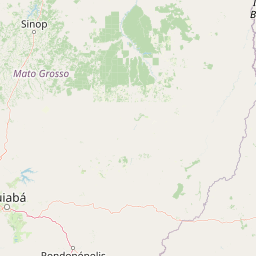
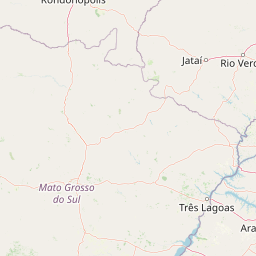
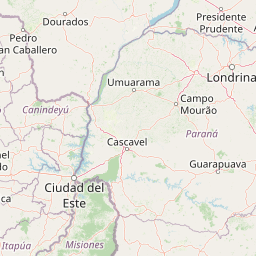
- Conserves 119,837 hectares of threatened forest in the Ucayali region of central Peru, on the edge of the Amazon Rainforest.
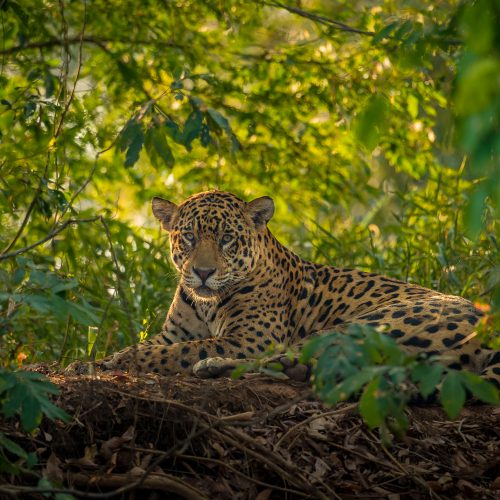
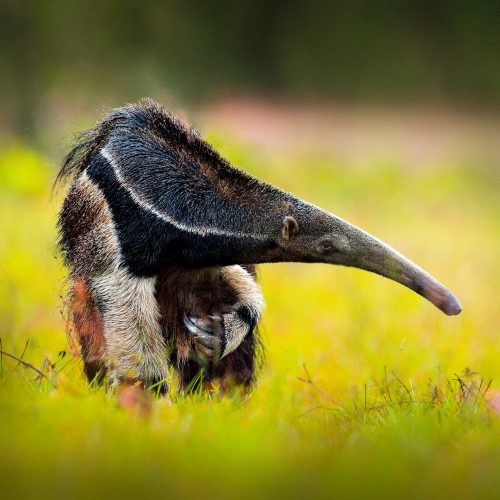
- Protects the near-threatened jaguar and the vulnerable blue-headed macaw and tapir
- The first indigenous FSC programme in the world and the first FSC programme in Peru.
More info
Nii Kaniti means 'forest and development' in the indigenous language local to the Ucayali region of central Peru. The project prioritizes indigenous-led development, scaling up sustainable community forest management to improve the livelihoods of seven remote indigenous communities on the edge of the Peruvian Amazon. By preventing land invasions for unsustainable agriculture, illegal use of forest resources, and land grabs, it protects 120,000 hectares of threatened forest, home to animals such as jaguars, macaws, and tapirs.
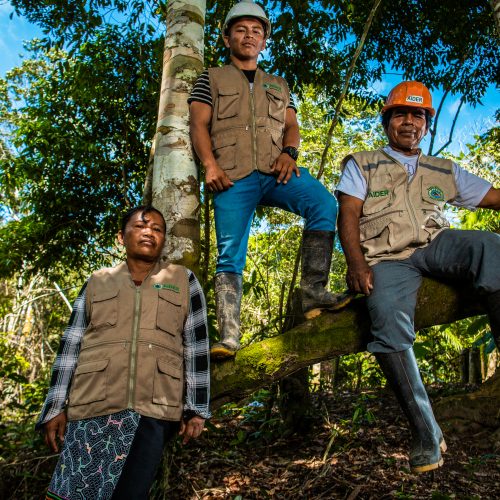
A distinctive feature is a social enterprise, Nii Biri, which is a hub for indigenous economic activities. It is run by local and indigenous people and supports business administration, scaling of production, and improved market access for local producers.
Project Photos
Project Impacts
Biodiversity & Ecosystems
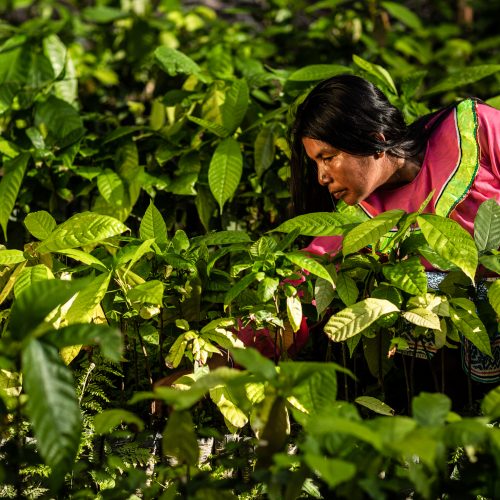
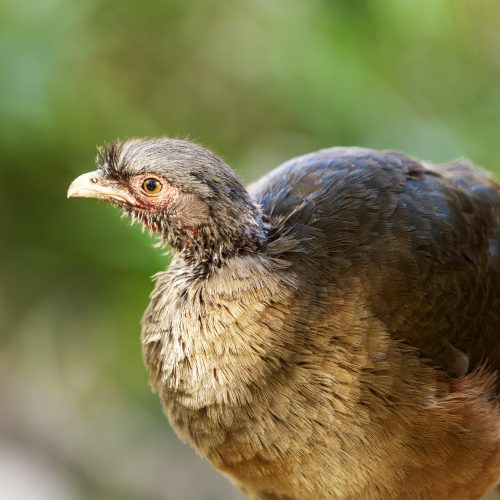
Nii Kaniti protects almost 120,000 hectares of critical rainforest in Ucayali. It maintains essential habitat connectivity and facilitates movement, dispersal and the ecological function of flora, fauna, and the ecosystem.
Community Development
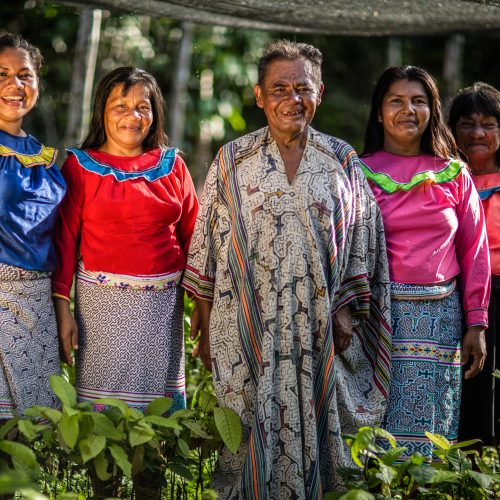
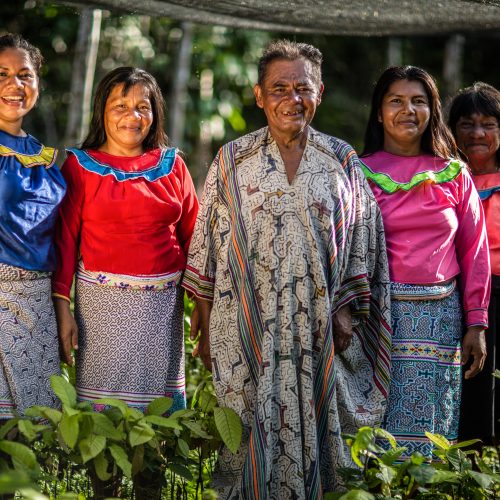
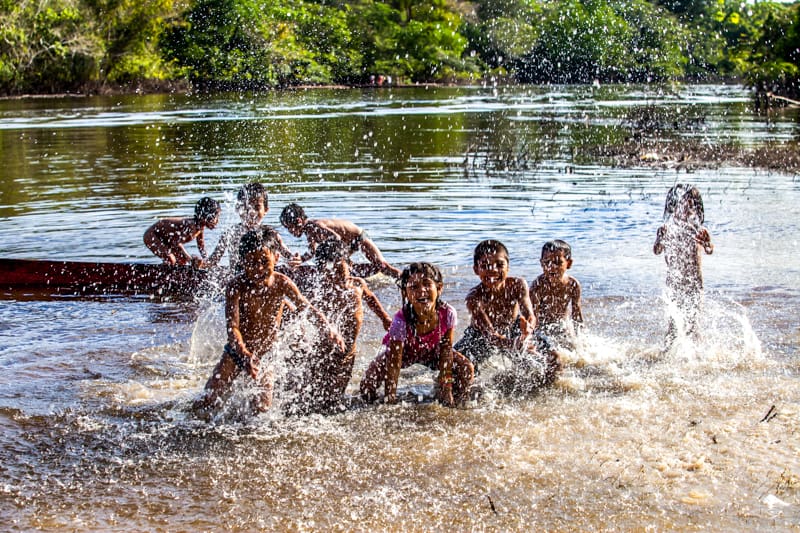
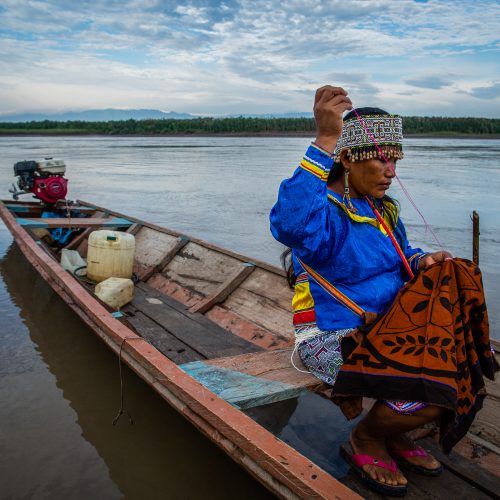
The project supports seven communities belonging to two indigenous ethnic groups, Shipibo Conibo and Cacataibo, through improving community forest management. These communities are remote, with several only reachable by boat from the Ucayali River. Many indigenous people living in the area depend on the forest yet remain in poverty and social exclusion. Nii Kaniti aims to build resilience into their livelihoods by supporting them to better protect and conserve their lands. All activities address community needs through extensive collaboration.
Emissions Reductions & Certifications
Nii Kaniti will prevent the emissions of 2.7 million tonnes of CO2 over the first ten years of its 20-year lifetime, validated and verified under the Verified Carbon Standard (VCS). It has also achieved CCB Gold status for exceptional climate and biodiversity benefits.
Endangered Species
The project protects tropical habitat home to an abundance of species, notably the near-threatened jaguar and the blue-headed macaw and tapir, both classified as vulnerable by IUCN.