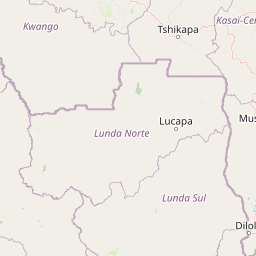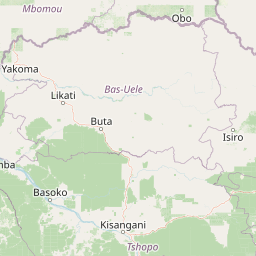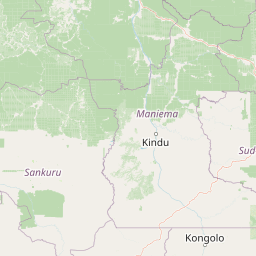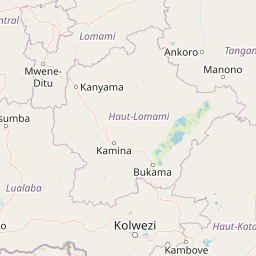
Help this project protect over 250,000 hectares of critical bonobo and forest elephant habitat and provide drinking water, education, healthcare, and food security to 30,000 locals.
Sustainable Development Goals


Every credit is verified and permanently retired on the Verra registry.
Protect this forest →Key facts
- Protects 250,000 hectares of high conservation priority tropical and swamp forest in the Congo Basin, reducing emissions by 100 million tonnes of CO2 over 30 years.
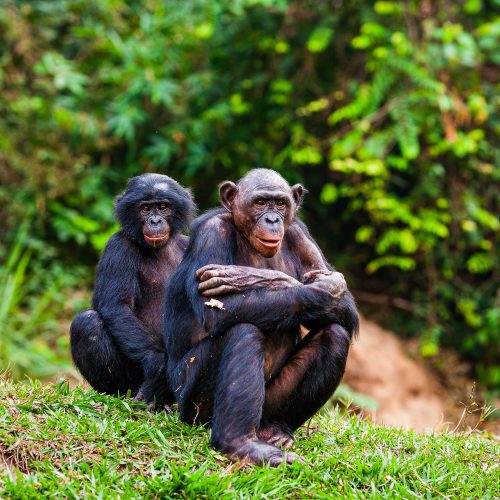
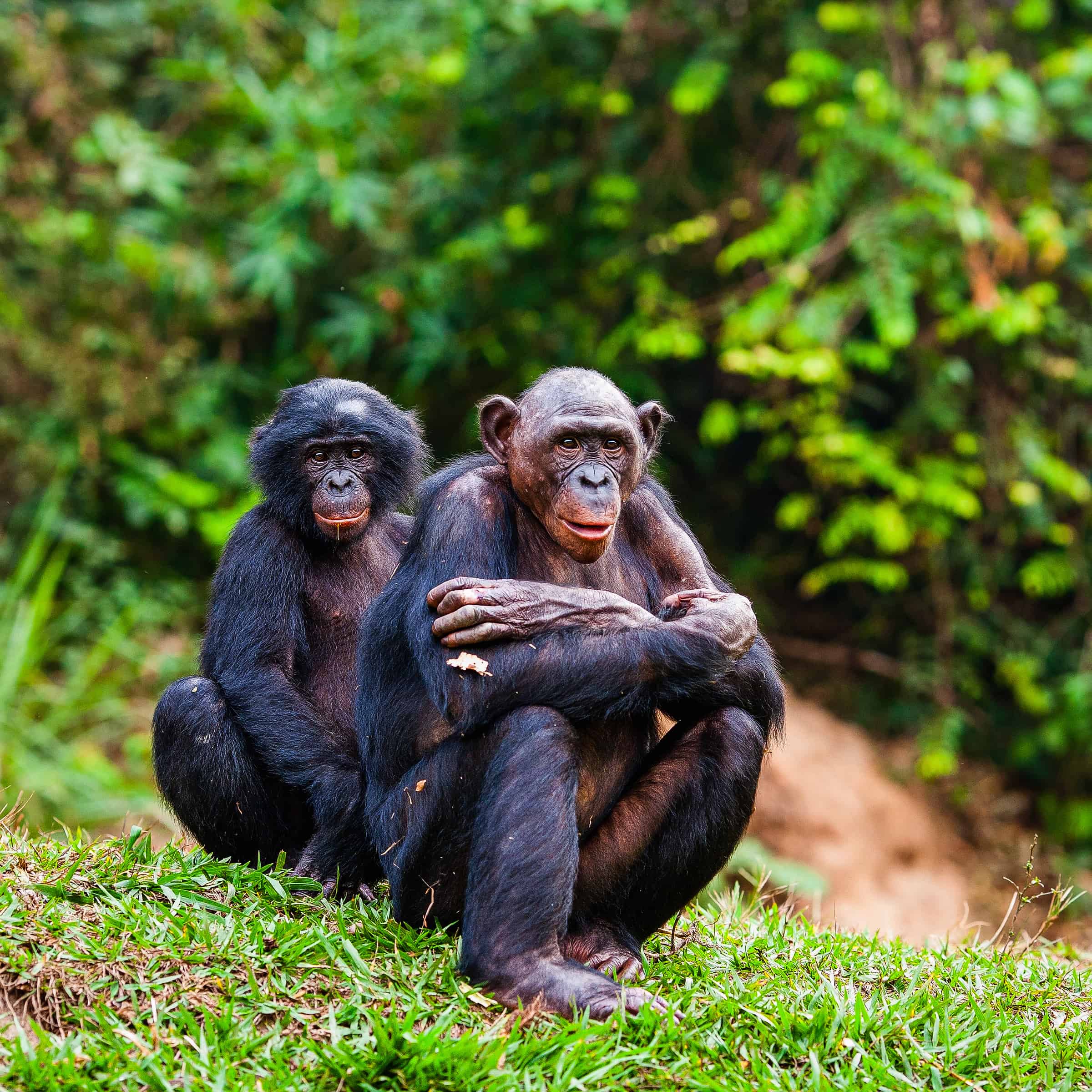
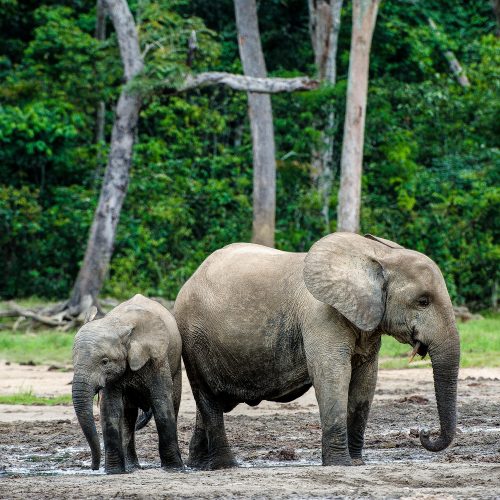
- Protects critical habitat for endangered forest elephants and bonobos, our closest primate relative found only in the Congo Basin.
More info
Mai Ndombe protects over 250,000 hectares of critical bonobo and forest elephant habitat within the world's second-largest intact rainforest, the Congo. It empowers communities in one of the world's most impoverished countries by creating a pathway to low-carbon economic development, agricultural and economic diversification, education, and healthcare. Without its presence, the area would likely be leased to foreign logging and mining companies.
Project Photos
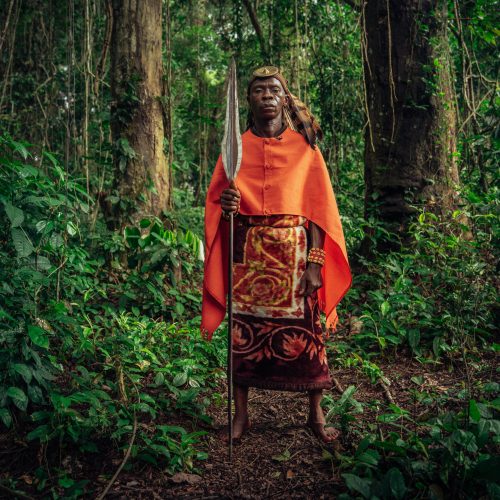
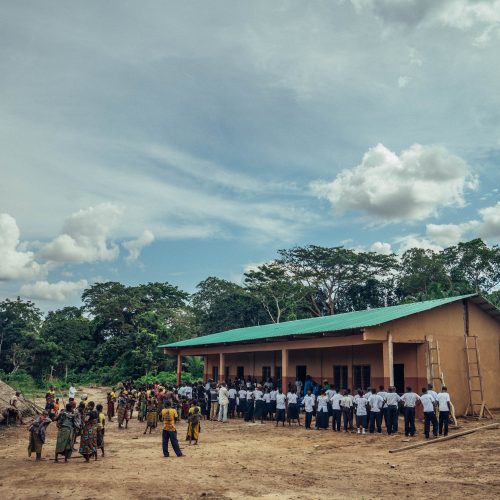
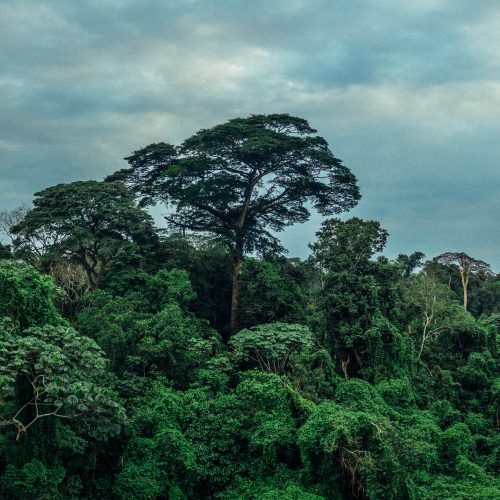
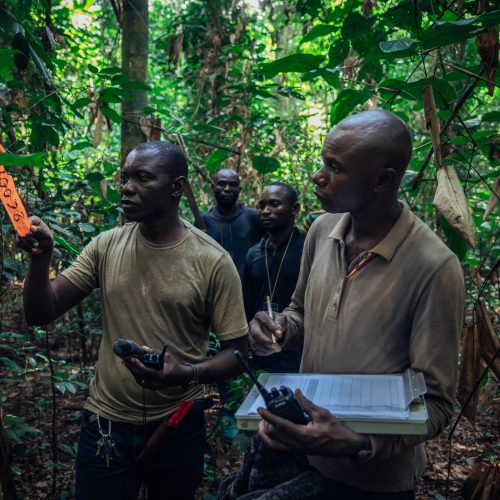
Project Impacts
Biodiversity & Ecosystems
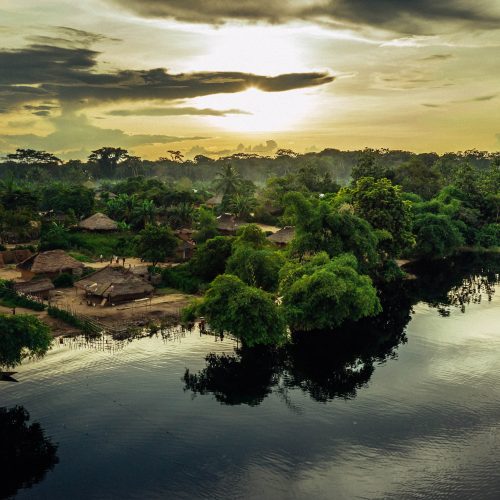
A mix of tropical and swamp forests, these areas are part of the globally significant Lac Tele-Lac Tumba landscape, one of the most important wetlands in the world and the largest freshwater area on the African continent.
Community Development
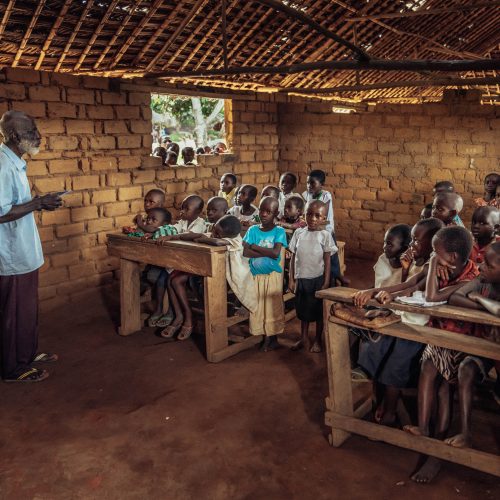
The project area is home to more than 30,000 people who previously lacked consistent healthcare, education, clean water, and food security. They now have improved access to drinking water, agricultural and economic investment, education, healthcare, and capacity building. The project directly employs over 100 locals for monitoring and management and provides widespread capacity building workshops. It has established a mobile medical clinic to improve access to health care for isolated rural villages, and collaborates to carry out medical tours, health needs assessments, and to create modest but proper health centers in local communities. It is also building at least 19 schoolrooms in communities, some of which have never before had schooling, as well as distributing school supplies.
Emissions Reductions & Certifications
Mai Ndombe will prevent the emissions of 176 million tonnes of CO2 over its 40-year lifetime, validated and verified under the Verified Carbon Standard (VCS). It has also achieved CCB Gold status for exceptional biodiversity and climate benefits.
Endangered Species
These rainforests are home to the bonobo, the endangered great ape that is humankind's closest relative, found only in the Congo Basin. They are also home to the endangered forest elephant, giant pangolin, brown-cheeked hornbill, and Osborn's dwarf crocodile.