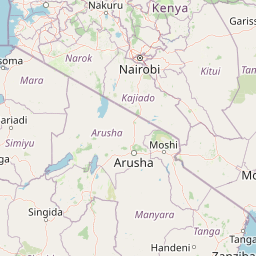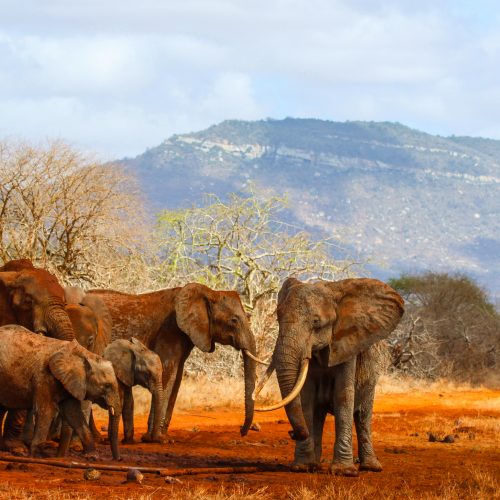
Protecting 200,000 hectares of a vital migration corridor between Tsavo East and West National Parks, Kasigau Wildlife Sanctuary helps keep two of East Africa's vast natural spaces connected.
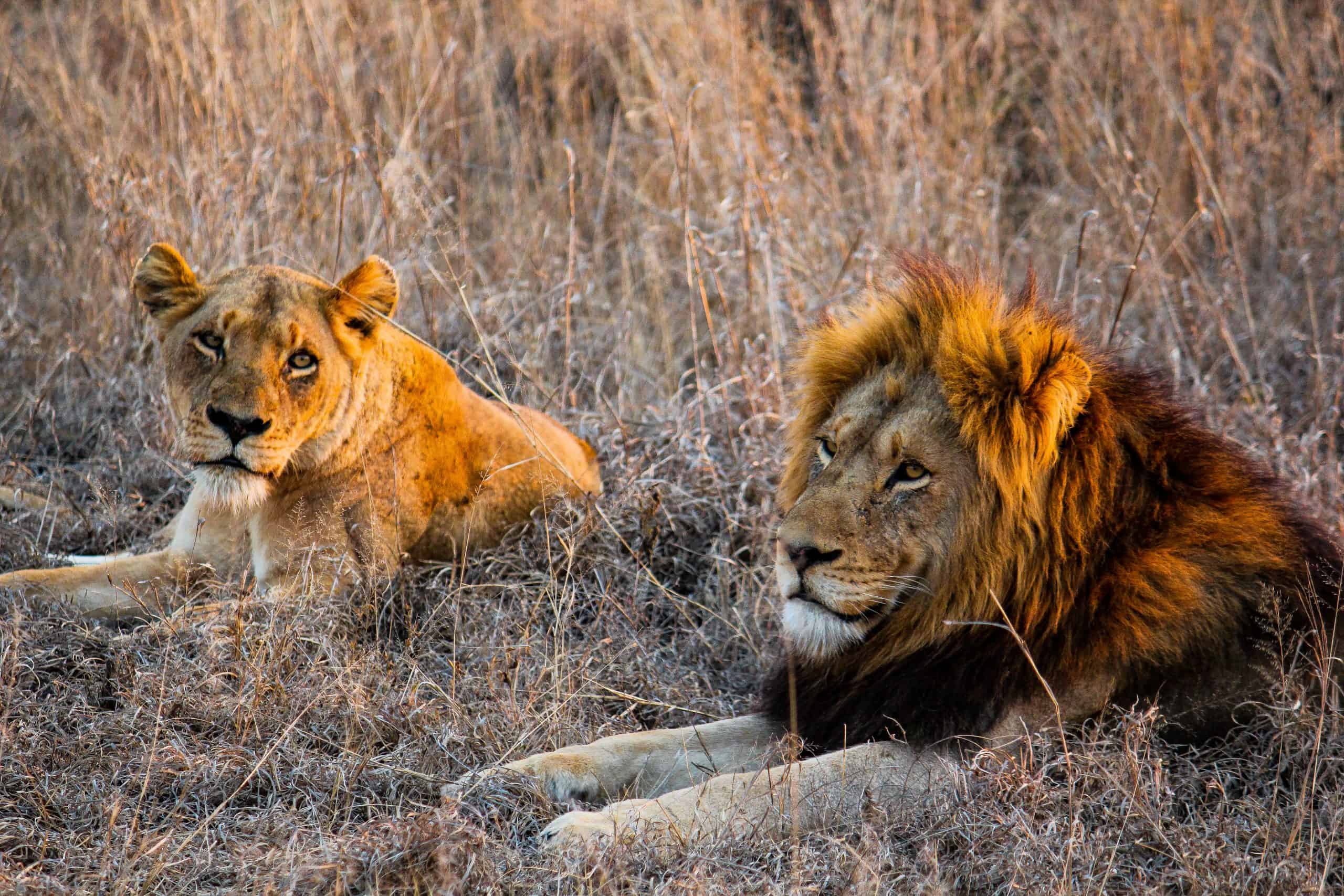
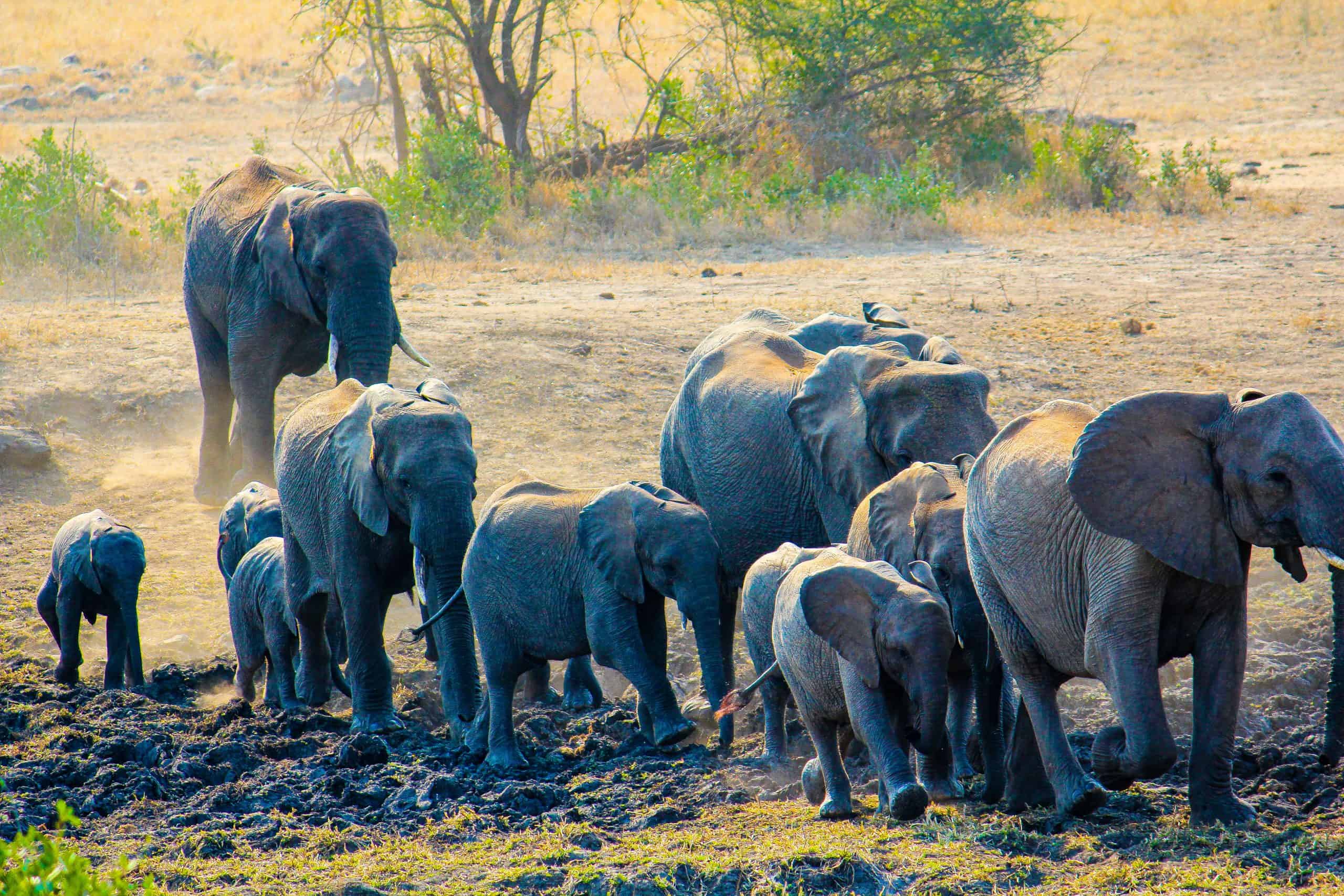
11,000 endangered elephants and countless lions, zebras, and leopards now have room to roam.
It also supports over 116,000 residents through job creation and economic development, including a sustainable clothing factory.
Sustainable Development Goals


Every credit is verified and permanently retired on the Verra registry.
Protect this forest →Key facts
- The first REDD+ project in the world to issue Verified Emission Reductions under the VCS standard
- Creates regional development of education, water access, women's empowerment, agricultural intensification, and local business and job opportunities
- Protects habitat for the African elephant, Grevy's zebra, cheetah, lion and African wild dog
More info
Nestled between Kenya's Tsavo East and Tsavo West National Parks, the Kasigau Wildlife Sanctuary protects 200,000 hectares of dryland forest that was in danger of being lost to cattle ranching, poaching, subsistence agriculture, and illegal tree harvesting. Carbon credit revenues earned by the community for their conservation efforts support over 116,000 residents through job creation, carbon credit payments, and sustainable development; protects thousands of endangered animals, including lions, cheetahs, leopards, and elephants; and prevents the emissions of more than 45 million tonnes of CO2. It is also the first REDD+ project in the world to issue VCS credits.
Project Photos
Project Impacts
Biodiversity & Ecosystems
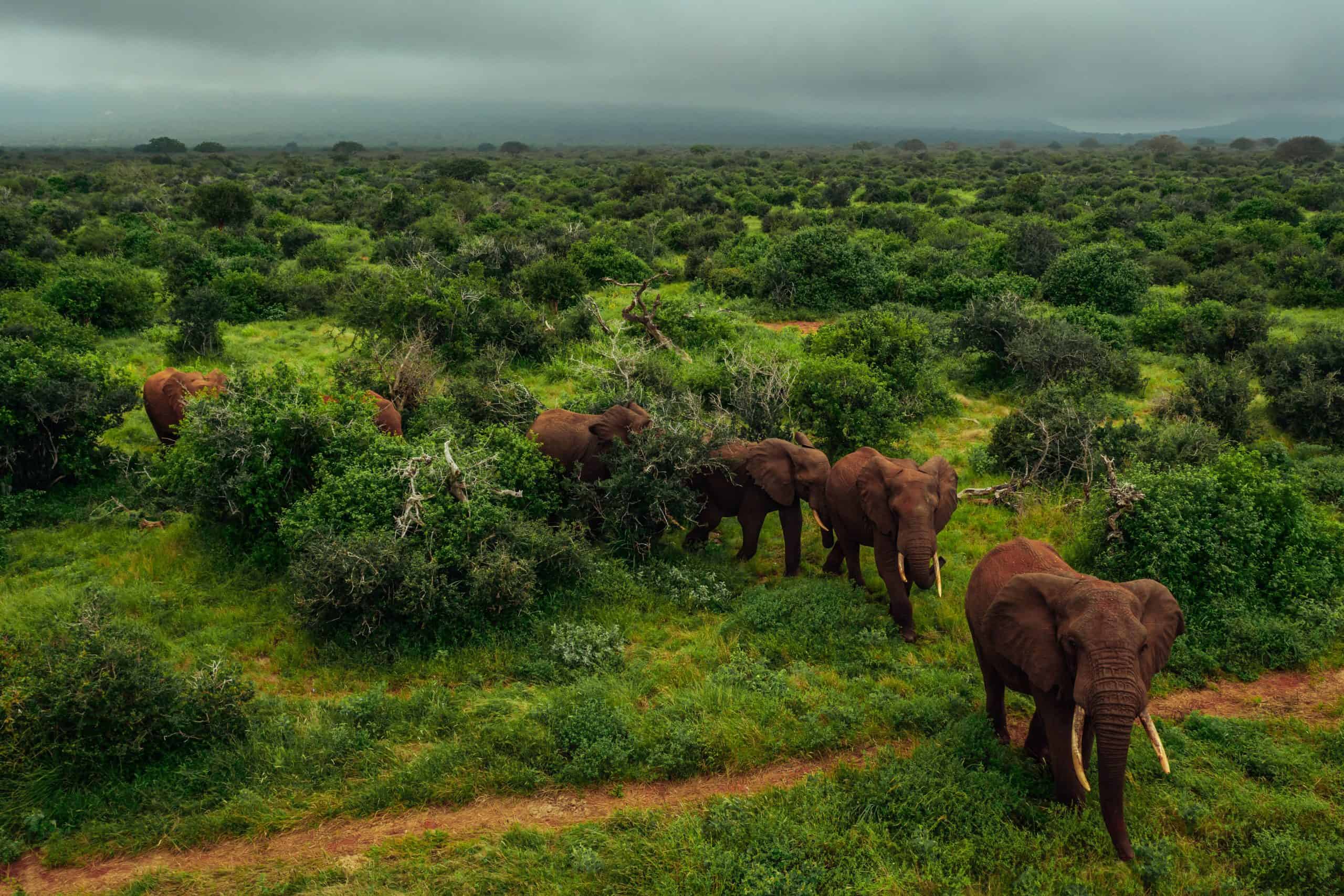
Kasigau protects 200,000 hectares of dryland acacia-comiphora forest and its biodiversity. The area is a vital migration corridor for thousands of animals crossing from Tsavo East to Tsavo West National Parks, including more than 50 species of large mammals, 20 species of bats, and over 300 species of birds.
Community Development
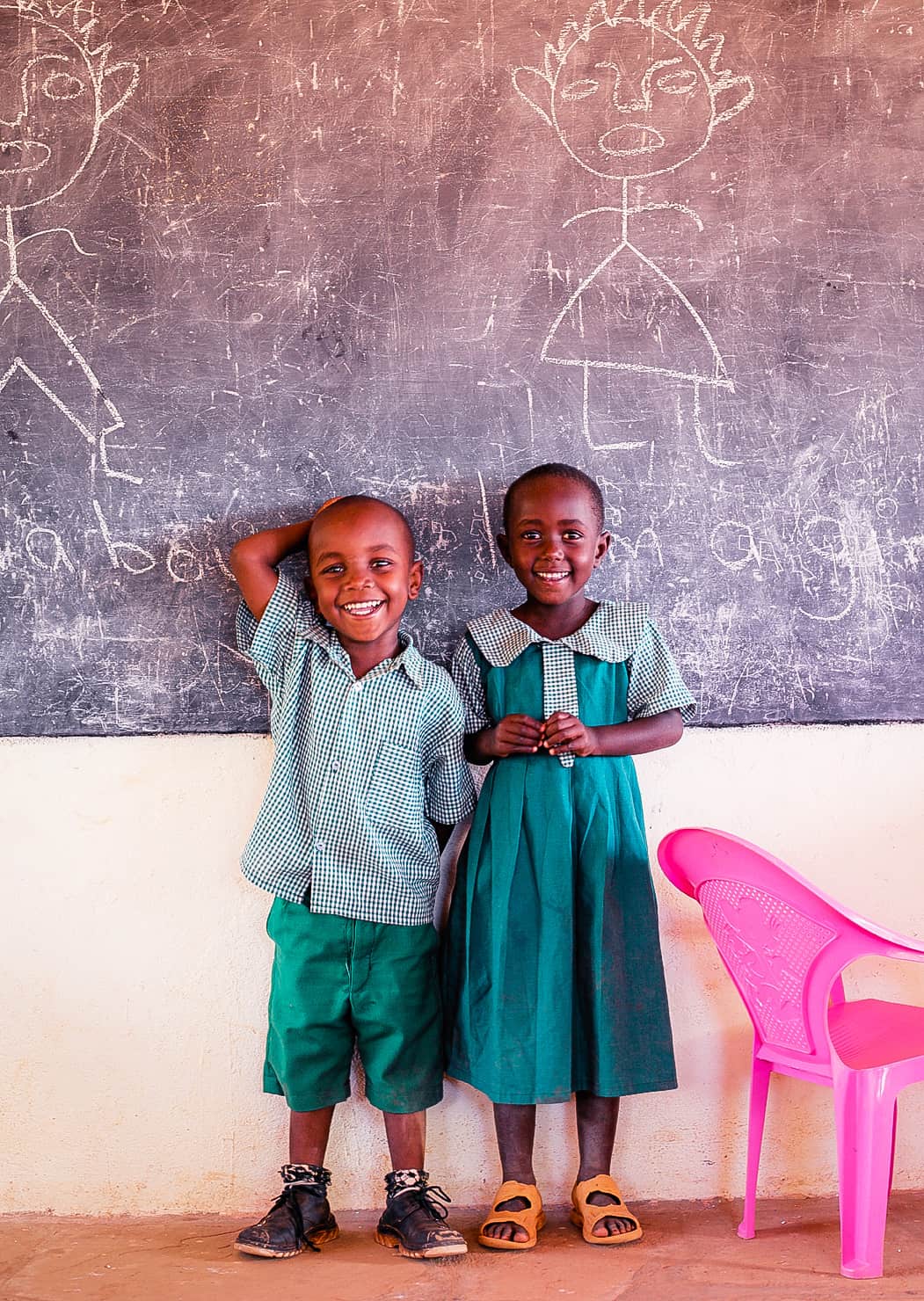
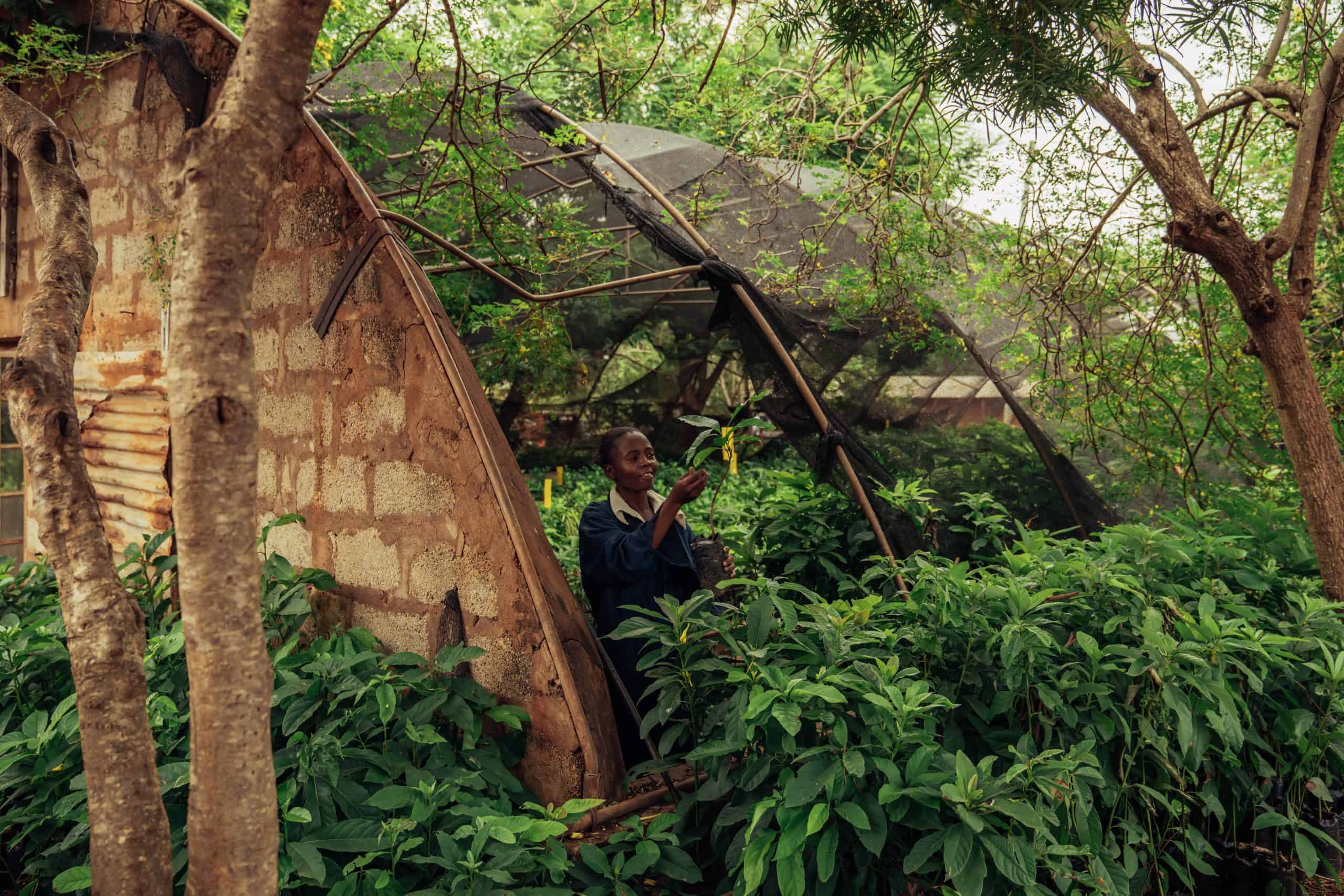
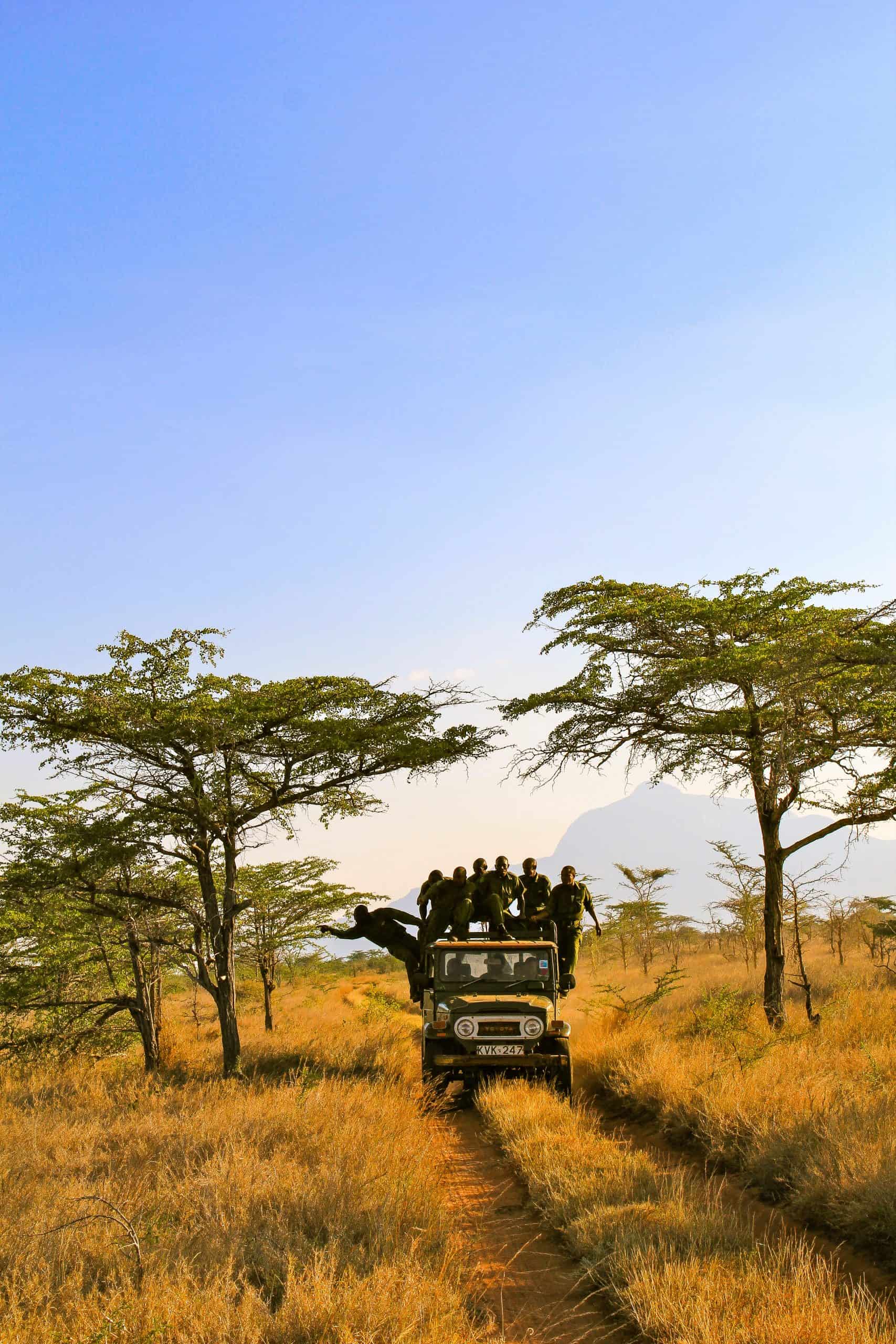
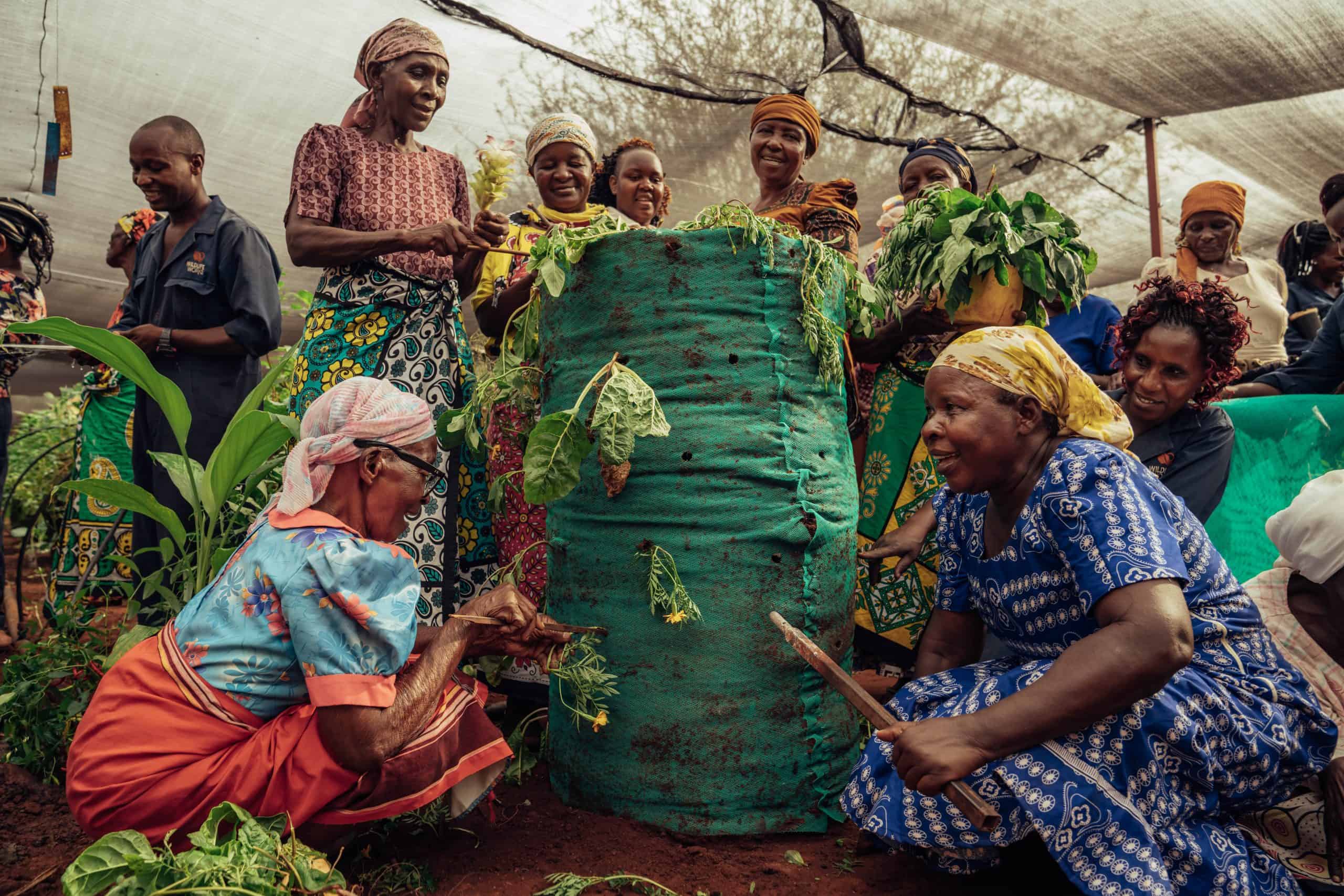
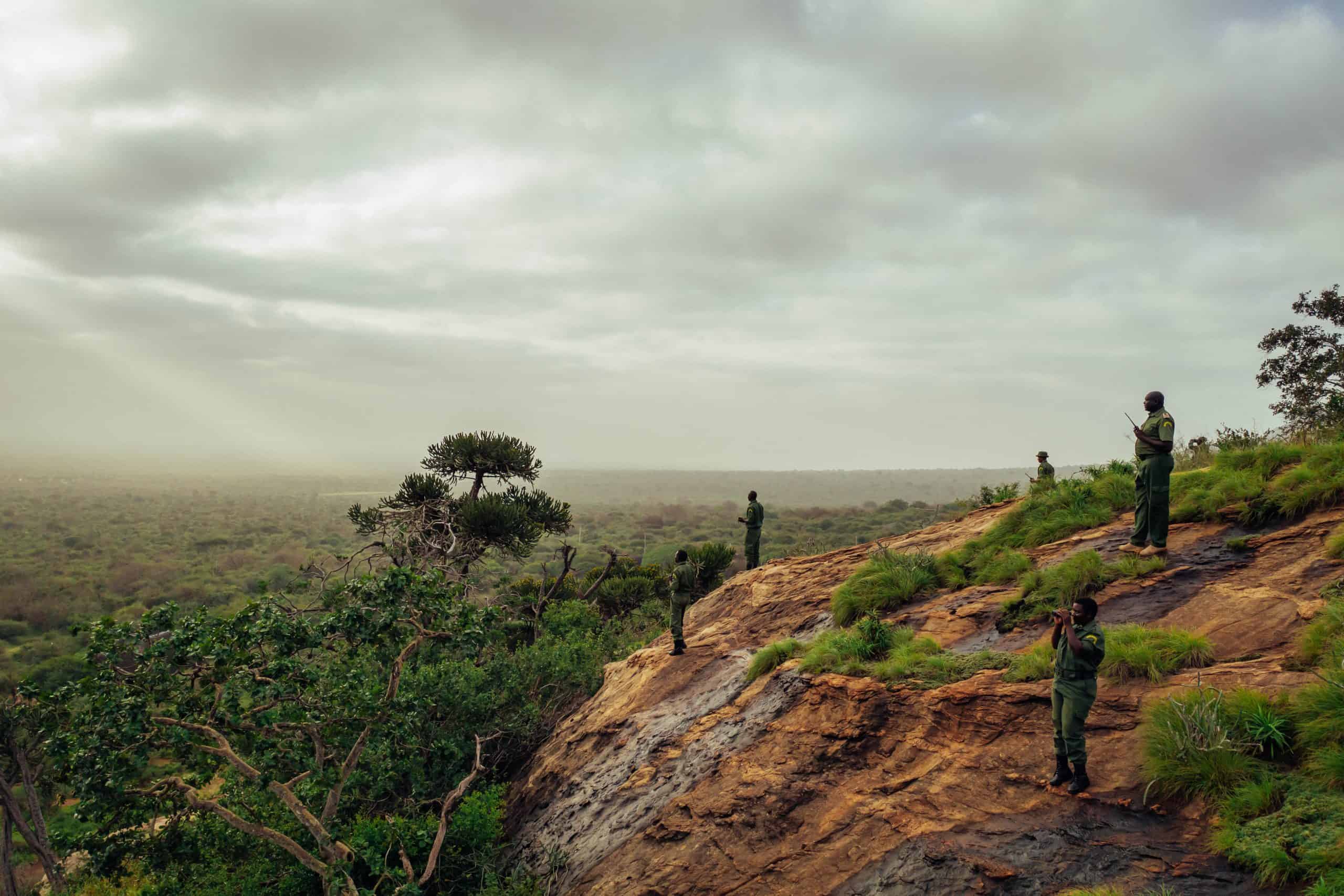
Without the project, local community members would have few economic alternatives other than extractive activities such as slash-and-burn agriculture. Kasigau directly employs 350+ locals as plot sampling and community outreach staff, unarmed wildlife rangers, and tailors in the factory for its eco-friendly clothing line. Carbon credit revenue is distributed directly to 4,500 local landowners, and the wider community of over 116,000 decides how to allocate these revenues to social and economic development programs, including organic greenhouses, access to clean water, education, and training in sustainable farming. Through the project, hundreds of high school and college scholarships are awarded annually; 30 classrooms have been built or renovated; and pre-kindergarten has been introduced to the area. Over 50,000 people now have access to clean water through 30 projects, which has further improved school attendance.
Emissions Reductions & Certifications
Kasigau will prevent the emissions of 45 million tonnes of CO2 over its 30-year lifetime, validated and verified under the Verified Carbon Standard (VCS). It has also achieved CCB Gold status for exceptional biodiversity and climate benefits.
Endangered Species
The Kasigau Wildlife Corridor provides a safe haven and migration area for 11,000 endangered African elephants (and a permanent home for 2,000 of them), plus other threatened or vulnerable species such as giraffes, Grevy's zebras, wild dogs, cheetahs, lions, and leopards.