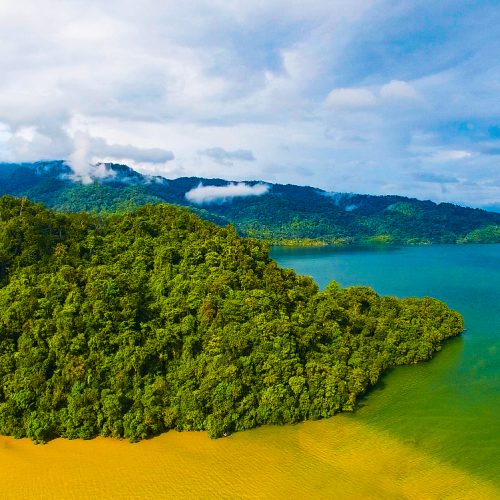
With tropical forests, wetlands, mangroves, and lagoons, this project protects the beautiful and unique biodiversity of the Guatemalan coast, and grows cardamom, cinnamon, lychee, and rambutan in sustainable agroforestry. Help save this forest now.
Sustainable Development Goals


Every credit is verified and permanently retired on the Verra registry.
Protect this forest →Key facts
- 120 migratory bird species use the forests of Guatemala as their main wintering or transiting habitat
- Over 1,000 people have benefited from health services through mobile clinics in an area that didn't have access to regular health care in the past
- Aims to support nearly 720 jobs, 30% of which are to be held by women
More info
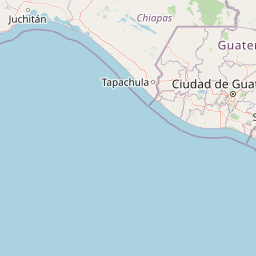
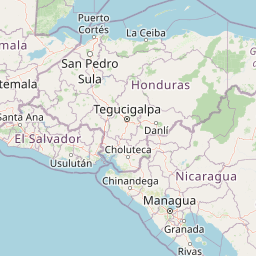
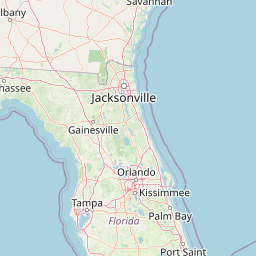
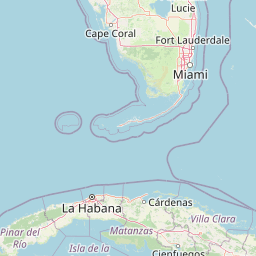
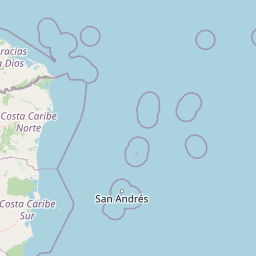
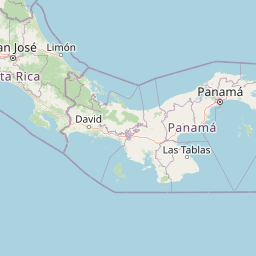
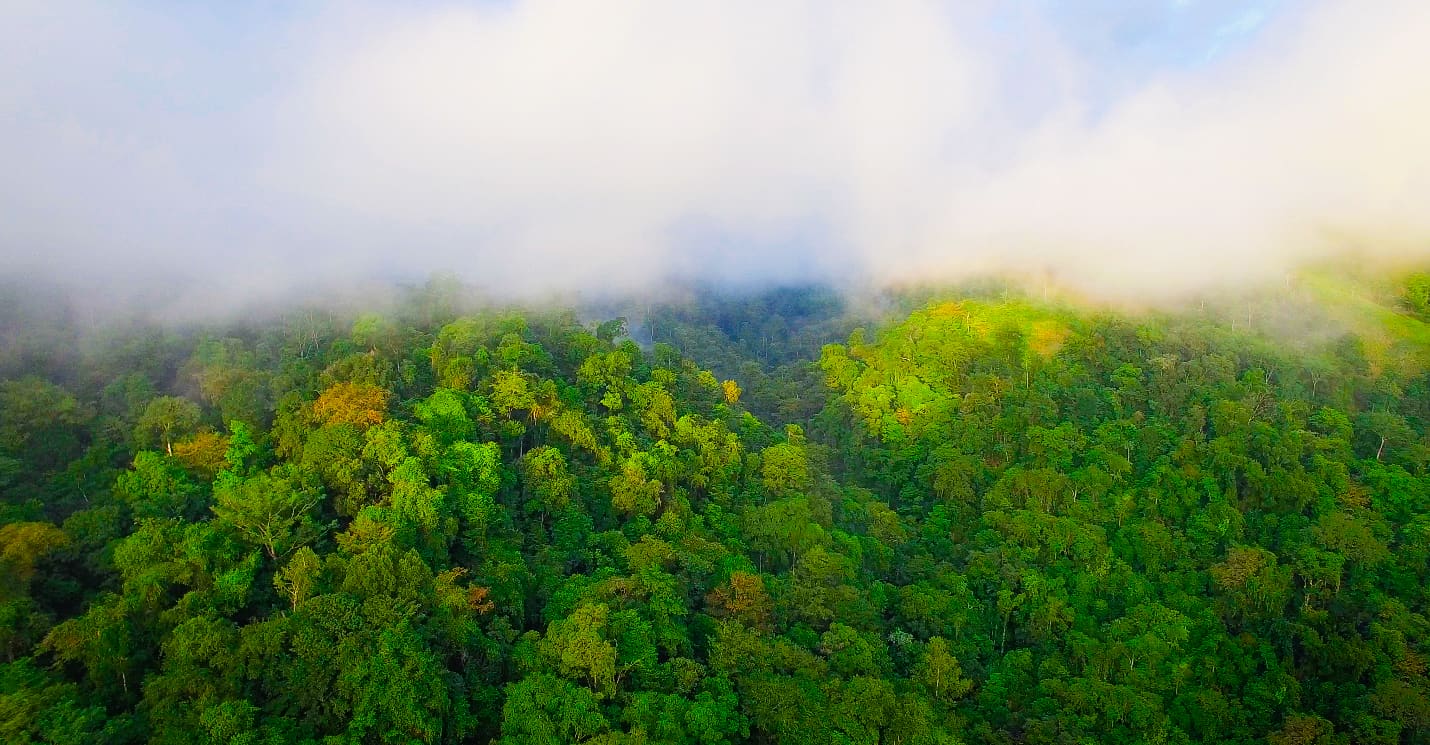
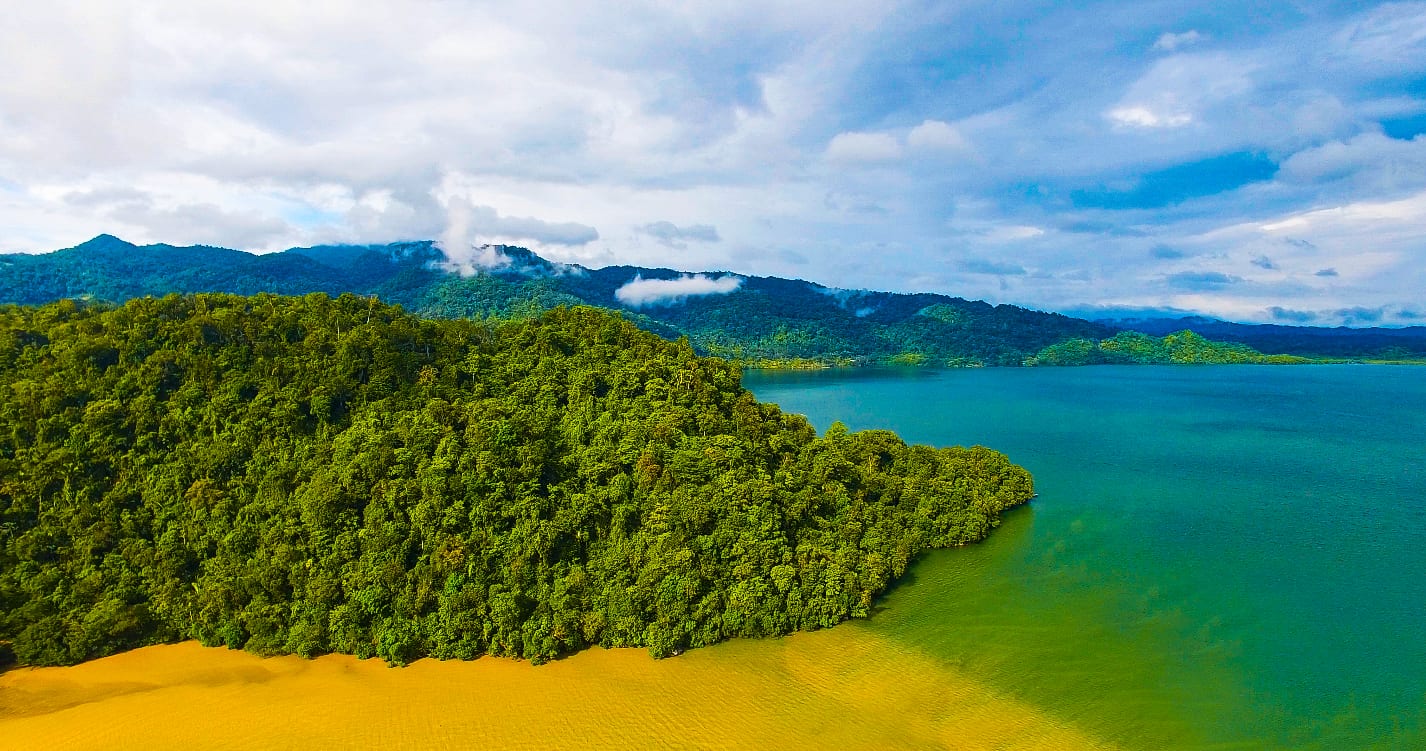
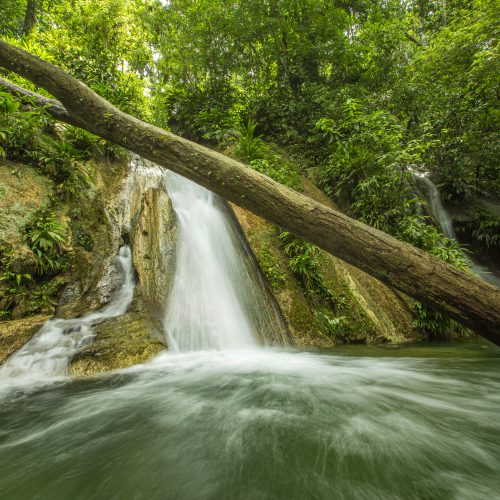
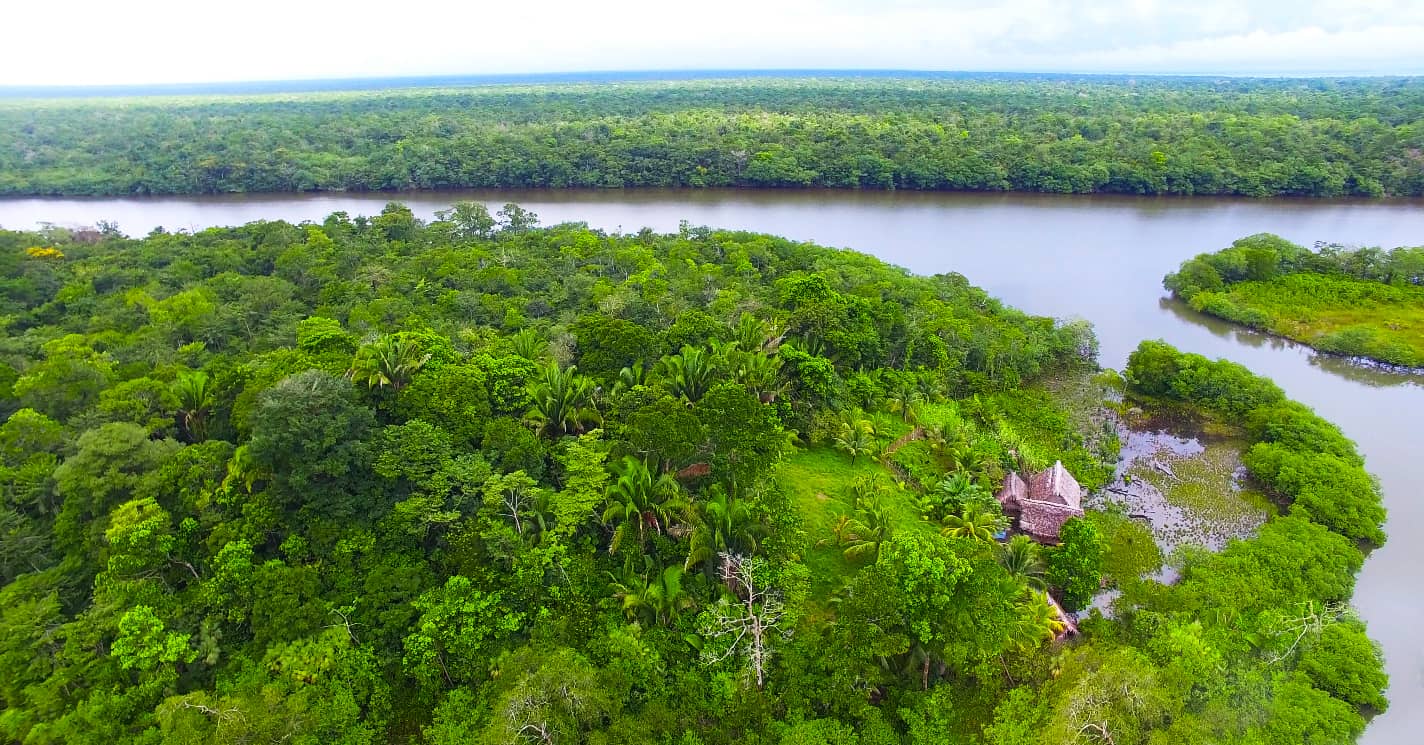
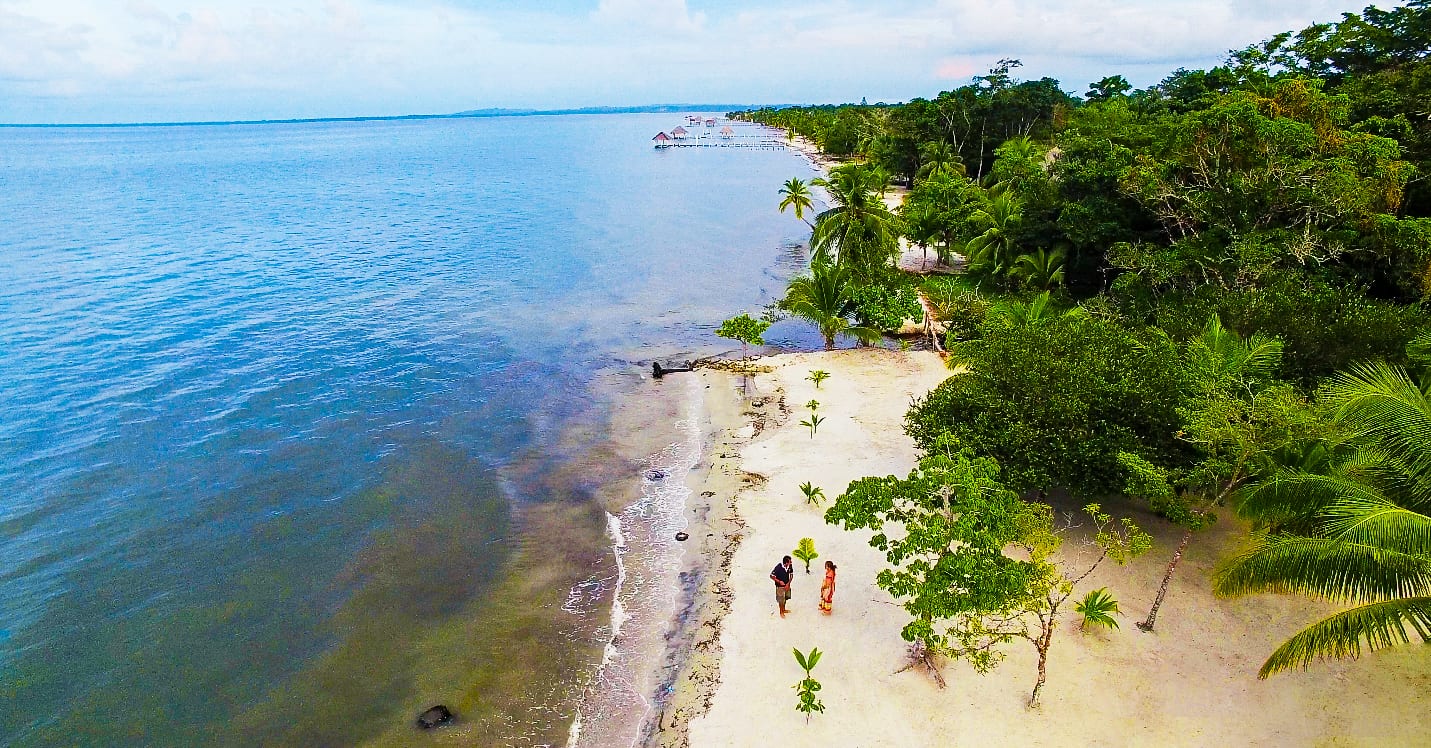
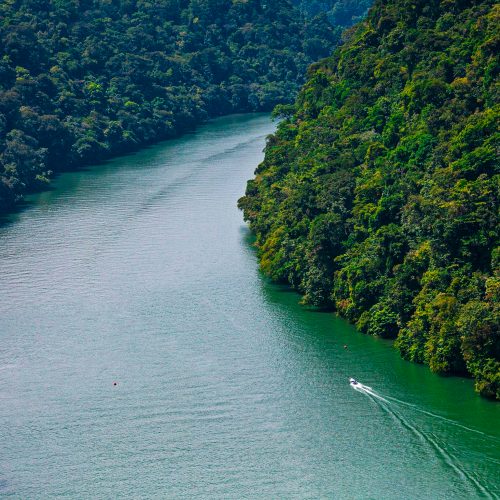
With ecosystems ranging from lowland to pre-montane tropical forests, wetlands, mangroves and lagoons, the forests of the Guatemalan Caribbean are home to extraordinary beauty and biodiversity. The coastline is part of the Mesoamerican Biological Corridor, a natural land bridge from South to North America and a migratory corridor for hundreds of species of birds. Agriculture and cattle ranching have reduced original forest cover by 65%. The project protects the remainder by addressing drivers of deforestation through law enforcement, land-use planning, education, economic development, and sustainable agroforestry. Hundreds of landowners, spanning the entire Caribbean coastline, have combined to protect almost 54,500 hectares of forest and to prevent the emissions of 18 million tonnes of CO2.
Project Photos
Project Impacts
Biodiversity & Ecosystems
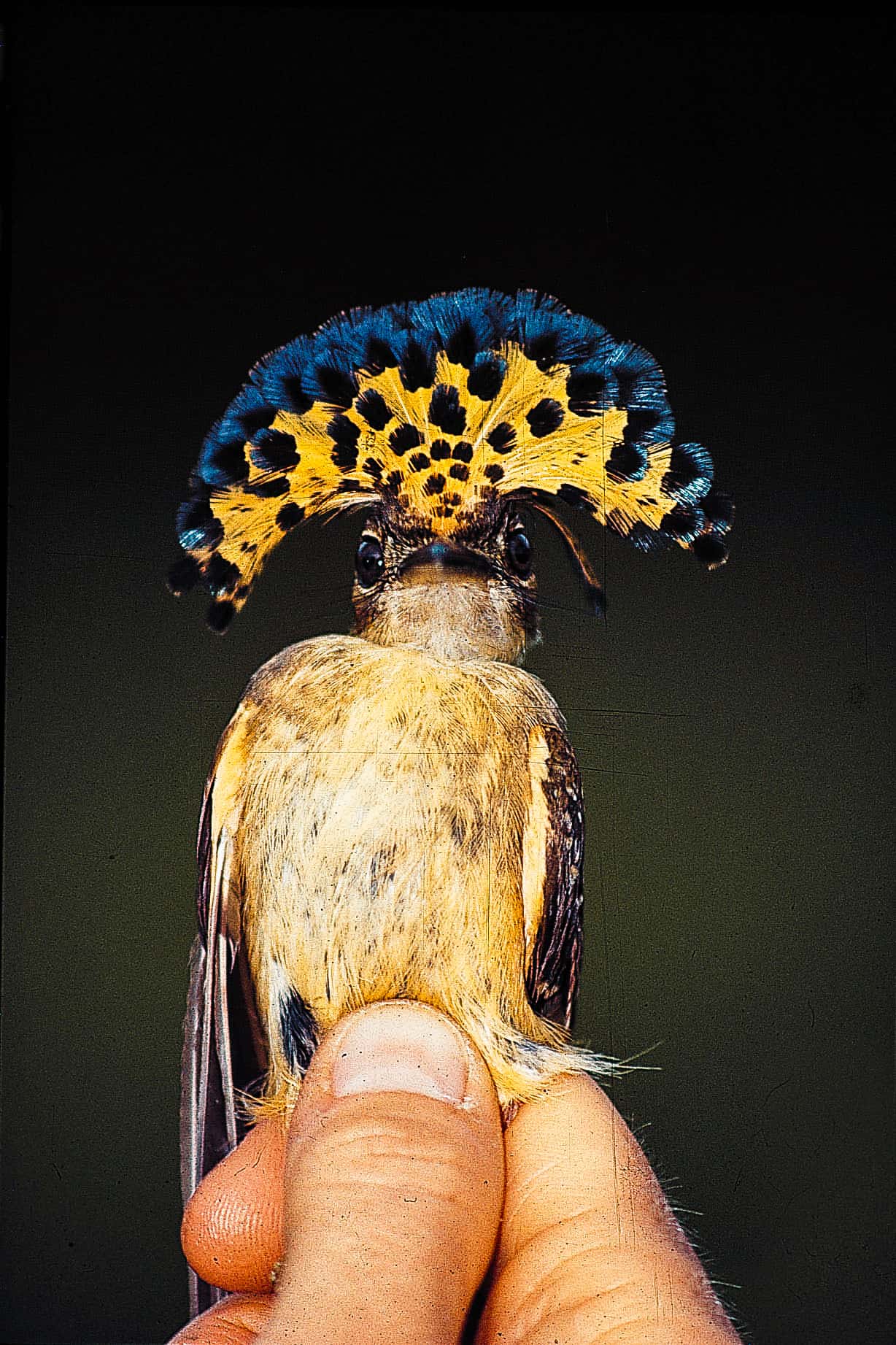
The Mesoamerican Biological Corridor is vital to birds' biannual migrations. 504 bird species have been documented in the project area, and 120 species depend on the corridor to sustain their journeys. The project also aims to improve law enforcement, continue ongoing biological monitoring, and raise awareness of biodiversity values through education.
Community Development
The project is transforming the lives of 3,250 families, including over a hundred local and indigenous communities that actively participate in implementation. Farmers receive training, financing, and business support to develop sustainable agroforestry systems for crops such as xate, cardamom, pepper, cinnamon, lychee, and rambutan. Over 1,000 people have benefited from health services, and the project is helping locals to secure land titles, continue their education, and obtain job training. It is also developing a network of ecotourism sites and ecological reserves in the region.
Emissions Reductions & Certifications
Guatemala Caribbean Coast will prevent the emissions of 18 million tonnes of CO2 over its 30-year lifetime, validated and verified under the Verified Carbon Standard (VCS). It has also achieved CCB Gold status for exceptional biodiversity benefits.
Endangered Species
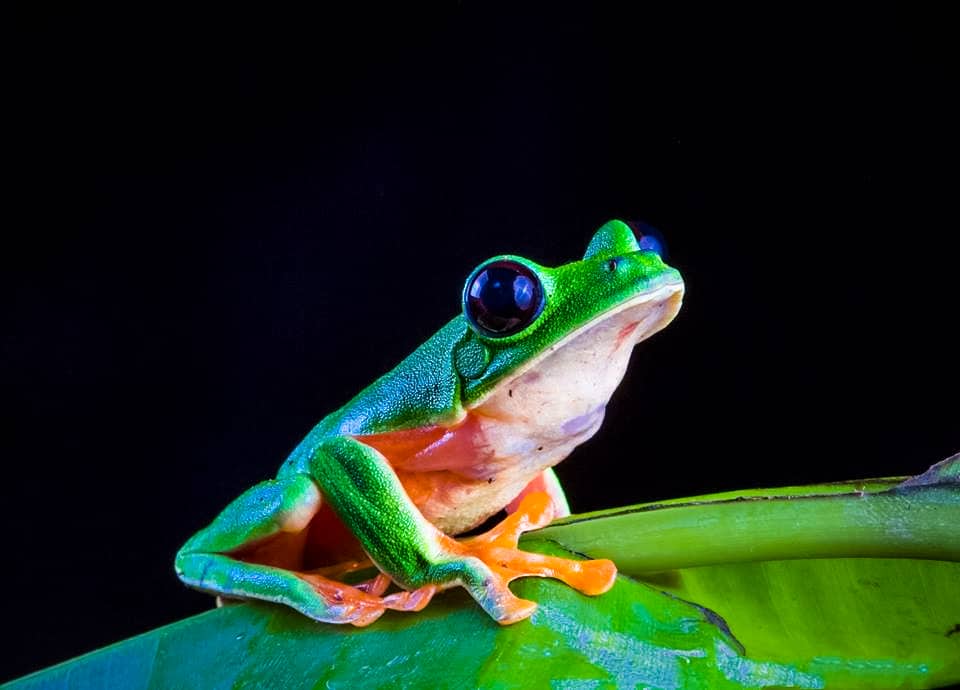
The project protects the habitat of an abundance of mammals and reptiles, including thirty high conservation value (HCV) species such as the jaguar, Baird's tapir, and the West Indian manatee, whose habitats are threatened by economic pressure on the region. The area is also home to 504 bird species and a corridor for 120 migratory bird species.