About this project
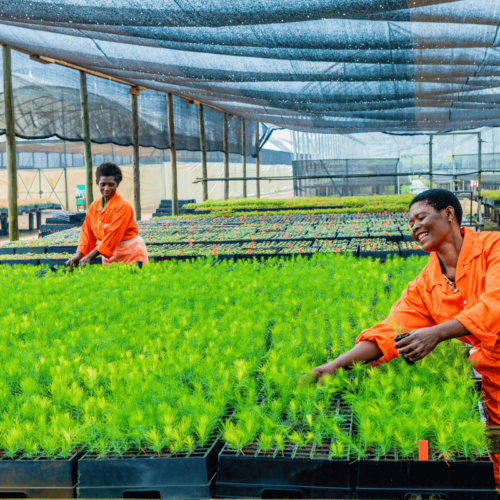
The Bukaleba Forest Project in Uganda's Mayuge District revitalizes degraded land through sustainable reforestation, combining exotic and indigenous tree planting to combat climate change and meet the demand for quality wood products. Beyond environmental restoration, it fosters community development by providing sustainable livelihoods, protecting natural biodiversity, and promoting soil and water conservation. Funded by carbon credit sales, this project uniquely intertwines ecological health with socio-economic growth, benefiting both nature and local communities.
Nestled in the heart of Mayuge District in Eastern Uganda, the Bukaleba Forest Project unfolds across the Bukaleba Central Forest Reserve, a landscape characterized by its degraded shrublands and grasslands. This project is a beacon of environmental rejuvenation, transforming these landscapes into lush, managed forests that teem with both exotic and indigenous tree species. It stands as a testament to Uganda's commitment to mitigating climate change, meeting the growing demand for quality wood products, and enhancing sustainable environmental management.\n\nHowever, Bukaleba is more than just a reforestation initiative. It is a lifeline to local communities, providing a sustainable alternative to practices like subsistence agriculture, fuel-wood collection, charcoal production, and grazing, which have historically led to deforestation in the region. By focusing on high-quality wood production and carbon sequestration, the project not only generates measurable and verifiable emission reductions in greenhouse gases but also encourages private investment in forestry, particularly on degraded lands.\n\nThe co-benefits of the BFP include environmental conservation through soil preservation, protection of water sources, and the enhancement of biodiversity. This is achieved by safeguarding existing indigenous flora and fauna, and through enrichment planting with native tree species. The project also is a catalyst for socioeconomic development in the surrounding communities, offering employment opportunities, promoting local tree planting activities, and supporting community initiatives through the sale of carbon credits. A significant portion of the carbon revenue is dedicated to community development initiatives, including establishing community woodlots to increase local fuel and timber supply.
Every credit is verified and permanently retired on the Verra registry.
Support a project →